Exploring the World of Inclusive Recreation Programs
Recreation is more than just fun and games. It is a vital part of life that promotes health, happiness, and connection. For individuals with special needs, finding the right recreational activities can be challenging. That is why inclusive recreation programs are so important. They open doors to new experiences, friendships, and skills. Together, we can explore how these programs empower individuals and create welcoming communities.
The Importance of Inclusive Recreation Programs
Inclusive recreation programs are designed to welcome everyone, regardless of ability. They provide opportunities for people with special needs to participate fully and comfortably. These programs focus on adapting activities to meet diverse needs, ensuring no one is left out.
Why do these programs matter? They help build confidence and independence. They encourage social interaction and teamwork. They also improve physical and mental health. When we participate in inclusive recreation, we feel valued and connected.
For example, a local community center might offer swimming lessons with instructors trained to assist swimmers with mobility challenges. Or a sports league might modify rules so everyone can play safely and enjoyably. These thoughtful adjustments make a big difference.
How Inclusive Recreation Programs Work
Inclusive recreation programs work by removing barriers. They adapt environments, equipment, and instructions to fit individual needs. This approach creates a supportive space where everyone can thrive.
Here are some key features of successful programs:
Flexible scheduling to accommodate different energy levels and routines.
Specialized equipment like adaptive bikes or wheelchair-accessible playgrounds.
Trained staff who understand various disabilities and how to assist respectfully.
Peer support that encourages friendships and teamwork.
Clear communication using simple language, visuals, or assistive technology.
By combining these elements, programs foster a sense of belonging. They also teach valuable life skills such as cooperation, problem-solving, and self-advocacy.

What is an example of inclusive recreation?
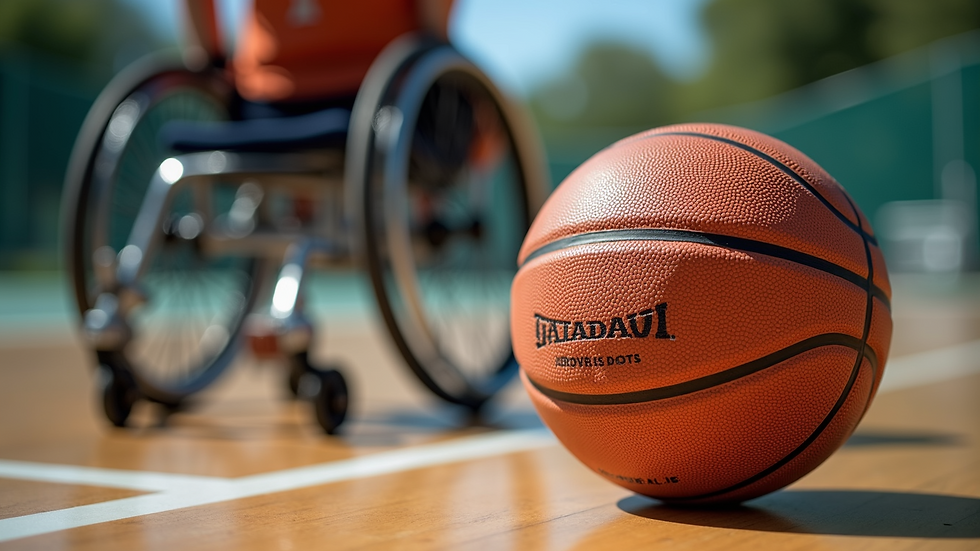
One great example of inclusive recreation is an adaptive sports league. These leagues offer sports like basketball, soccer, or tennis with modifications to rules and equipment. For instance, a basketball league might use lower hoops or lighter balls. Players with different abilities can compete together, focusing on fun and teamwork rather than just winning.
Another example is art therapy classes designed for individuals with sensory sensitivities. These classes provide a calm environment with tactile materials and gentle guidance. Participants can express themselves creatively without pressure.
Community gardening programs also serve as inclusive recreation. Raised garden beds and accessible tools allow people with mobility challenges to plant and care for flowers or vegetables. This activity promotes physical movement, patience, and a connection to nature.
These examples show how inclusive recreation programs can be tailored to many interests and abilities. They create meaningful experiences that enrich lives.
How to Find and Choose the Right Program
Finding the right inclusive recreation program can feel overwhelming. Here are some practical steps to help:
Research local options: Check community centers, parks and recreation departments, and nonprofit organizations.
Ask about accommodations: Contact program coordinators to learn how they support participants with special needs.
Visit facilities: If possible, tour the location to see accessibility features and meet staff.
Read reviews or testimonials: Hearing from other families can provide valuable insights.
Start with a trial session: Many programs offer drop-in classes or introductory sessions to test the fit.
When choosing a program, consider the participant’s interests, comfort level, and goals. A good program will be flexible and willing to make adjustments as needed.
Benefits Beyond Recreation
Inclusive recreation programs offer more than just activities. They build community and foster independence. Participants gain confidence that carries over into daily life.
For example, learning to navigate a group sport can improve communication skills. Participating in a cooking class can teach safety and nutrition. These experiences help individuals become more self-reliant and engaged in their communities.
Families also benefit. They find support networks and opportunities to connect with others facing similar challenges. This shared experience reduces isolation and strengthens bonds.
At Unpuzzled Pieces in Rancho Cucamonga, we see firsthand how inclusive recreation programs empower individuals with special needs. Our goal is to help build essential life skills and encourage active participation in the community. Together, we create a brighter future.
Taking the Next Step
If you or a loved one is ready to explore inclusive recreation programs, start by reaching out to local organizations. Look for programs that emphasize respect, safety, and fun. Remember, the right program can open doors to new friendships, skills, and joy.
We encourage you to explore adaptive recreation opportunities in your area. These programs are designed to meet diverse needs and celebrate every individual’s potential.
Together, we can create communities where everyone belongs and thrives. Let’s take that step forward and embrace the world of inclusive recreation programs.


Comments